
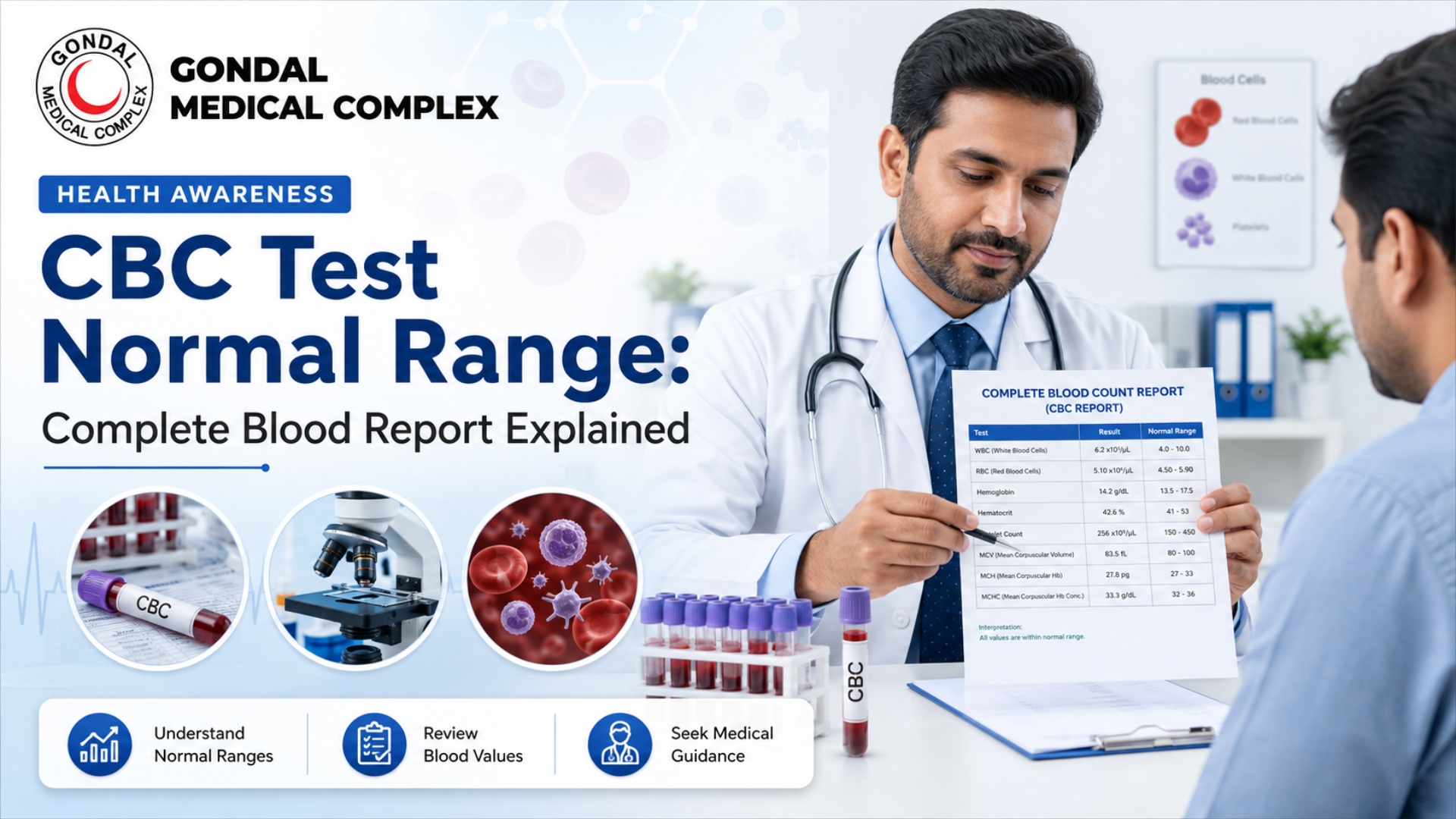
CBC Test Normal Range: Complete Blood Report Explained
A Complete Blood Count, commonly called a CBC, is one of the most frequently performed blood tests. It measures several important components of the blood, including red blood cells, white blood cells, haemoglobin, haematocrit and platelets. Understanding the CBC test normal range can help you read your report more confidently, but the numbers should always be interpreted alongside your symptoms, medical history and physical examination.
An abnormal CBC result does not automatically mean that you have a serious illness. Temporary infections, dehydration, medicines, pregnancy, menstruation, nutritional deficiencies and even differences between laboratories can affect the report. Similarly, a result within the reference range does not always rule out a health problem when significant symptoms are present.
Medical disclaimer: The ranges in this article are general adult reference values. Always compare your results with the reference range printed by your laboratory and consult a qualified healthcare professional for diagnosis.
What Is a CBC Test?
A CBC is a group of blood tests used to measure the number, size and characteristics of different blood cells. It provides information about:
- Red blood cells, which carry oxygen around the body
- Haemoglobin, the oxygen-carrying protein inside red blood cells
- Haematocrit, the proportion of blood made up of red blood cells
- White blood cells, which support the immune system
- Platelets, which help stop bleeding
- Red blood cell indices, which describe the size and haemoglobin content of red blood cells
- White blood cell differential, which measures different types of white cells
Healthcare professionals may order a CBC during a routine check-up or to help investigate fever, weakness, fatigue, infection, anaemia, unusual bruising, bleeding and other medical concerns. It may also be used to monitor long-term conditions or treatments that can affect blood-cell production.
CBC Test Normal Range at a Glance
The table below shows commonly used adult reference values. Exact ranges can differ according to the laboratory, testing equipment, age, sex, pregnancy status, altitude and individual health factors.
| CBC component | Common adult reference range |
|---|---|
| WBC count | 4,500–11,000 cells/µL |
| RBC count in males | 4.6–6.2 million cells/µL |
| RBC count in females | 4.2–5.4 million cells/µL |
| Haemoglobin in males | 13–18 g/dL |
| Haemoglobin in females | 12–16 g/dL |
| Haematocrit in males | 40%–55% |
| Haematocrit in females | 36%–48% |
| Platelet count | 150,000–400,000 platelets/µL |
| MCV | 80–100 fL |
| MCH | 27–32 pg |
| MCHC | 32–36 g/dL |
These figures are examples of commonly used reference values, not universal cut-off points. Your laboratory’s own range should be treated as the primary comparison for your report.
Why CBC Normal Ranges Can Differ
Patients sometimes compare reports from two laboratories and become concerned because the reference values are different. This variation can occur because laboratories may use different machines, testing methods, measurement units and reference populations.
Normal ranges may also be affected by:
- Age
- Biological sex
- Pregnancy
- Altitude
- Smoking
- Hydration status
- Recent illness
- Medicines and supplements
- Menstruation
- Recent strenuous exercise
For monitoring trends, it can be helpful to use the same laboratory when practical. Results from different laboratories should not be compared without considering their measurement methods and printed reference ranges.
Red Blood Cell Count Explained
Red blood cells, also called erythrocytes, transport oxygen from the lungs to tissues throughout the body. They contain haemoglobin, an iron-rich protein responsible for carrying oxygen.
Normal RBC Count
Common adult reference ranges are:
- Males: 4.6–6.2 million cells per microlitre
- Females: 4.2–5.4 million cells per microlitre
These values may vary between laboratories.
What Does a Low RBC Count Mean?
A low RBC count may occur with anaemia. Possible causes include:
- Iron deficiency
- Vitamin B12 or folate deficiency
- Blood loss
- Heavy menstrual bleeding
- Chronic kidney disease
- Long-term inflammatory disease
- Bone marrow disorders
- Increased destruction of red blood cells
- Certain medicines or cancer treatments
A low RBC count should be assessed together with haemoglobin, haematocrit, MCV, MCH, MCHC and the patient’s symptoms.
What Does a High RBC Count Mean?
A raised RBC count can occur when the blood becomes concentrated because of dehydration. It may also be associated with smoking, living at high altitude, long-term low oxygen levels, some heart or lung conditions, testosterone use or certain bone marrow disorders.
One high result does not confirm a diagnosis. The doctor may recommend hydration, repeat testing or additional investigations depending on the patient’s condition.
Haemoglobin Normal Range
Haemoglobin, often written as Hb or Hgb, is the protein inside red blood cells that carries oxygen.
Common adult haemoglobin ranges include:
- Males: 13–18 g/dL
- Females: 12–16 g/dL
Age, pregnancy, altitude and laboratory methods can affect the expected range.
What Does Low Haemoglobin Mean?
Low haemoglobin commonly suggests anaemia. Symptoms may include:
- Tiredness
- Weakness
- Pale skin
- Dizziness
- Headaches
- Shortness of breath
- Fast or irregular heartbeat
- Cold hands and feet
Anaemia is not a single disease. It can result from iron deficiency, vitamin deficiency, blood loss, inherited blood disorders, infections, chronic illness or reduced blood-cell production. The cause should be identified before treatment is started.
What Does High Haemoglobin Mean?
High haemoglobin may be related to dehydration, smoking, high-altitude residence, long-term low oxygen levels or increased red blood-cell production. A healthcare professional may review the RBC count, haematocrit and clinical history before deciding whether further testing is needed.
Haematocrit Normal Range
Haematocrit, written as HCT or PCV, measures the percentage of blood volume occupied by red blood cells.
Common adult ranges are:
- Males: 40%–55%
- Females: 36%–48%
Haematocrit varies with age, sex, smoking status, altitude and hydration.
Low Haematocrit
A low haematocrit may be associated with anaemia, blood loss, nutritional deficiencies, chronic illness or reduced red blood-cell production.
High Haematocrit
A high haematocrit can occur with dehydration or conditions that increase red blood-cell production. It must be interpreted alongside haemoglobin and RBC count rather than assessed alone.
White Blood Cell Count Explained
White blood cells, or leukocytes, form an important part of the immune system. They help the body respond to infections, inflammation and other health threats.
Normal WBC Count
A commonly used adult WBC range is:
4,500–11,000 cells per microlitre
The normal range may differ by laboratory, age and medical condition.
What Does a High WBC Count Mean?
A raised WBC count is called leukocytosis. Possible causes include:
- Bacterial or other infections
- Inflammation
- Physical or emotional stress
- Tissue injury
- Smoking
- Steroid medicines
- Allergic reactions
- Bone marrow or blood disorders
The type of white blood cell that is increased often provides more useful information than the total count alone.
What Does a Low WBC Count Mean?
A low WBC count is called leukopenia. It may occur with:
- Certain viral infections
- Autoimmune conditions
- Bone marrow disorders
- Severe infections
- Chemotherapy
- Radiation treatment
- Some medicines
- Nutritional deficiencies
A low WBC count does not always cause symptoms directly, but it may reduce the body’s ability to fight infection. The absolute neutrophil count is often particularly important when evaluating infection risk.
WBC Differential Normal Range
A CBC with differential separates white blood cells into different types. Each has a specific role in immunity.
Common percentage ranges include:
| White blood cell type | Common percentage range |
|---|---|
| Neutrophils | 40%–60% |
| Lymphocytes | 20%–40% |
| Monocytes | 2%–8% |
| Eosinophils | 1%–4% |
| Basophils | 0.5%–1% |
| Band cells | 0%–3% |
These values represent percentages of the total white blood-cell count. Absolute counts may provide better clinical information because a percentage can appear abnormal merely because another cell type has increased or decreased.
Neutrophils
Neutrophils commonly increase during acute infections, inflammation, stress or tissue injury. Low neutrophils may occur with viral illnesses, medicines, chemotherapy, bone marrow conditions or severe infections.
Lymphocytes
Lymphocytes include B cells and T cells, which play important roles in immune protection. Increased lymphocytes may occur with some viral or chronic infections, while low levels can be related to steroid use, severe illness, chemotherapy or immune-system conditions.
Monocytes
Monocytes help remove germs and damaged cells. Their levels may rise with chronic inflammation, certain infections or some blood disorders.
Eosinophils
Eosinophils are involved in allergic responses and defence against parasites. Raised eosinophils may be associated with allergies, asthma, parasitic infections, medicine reactions or selected inflammatory conditions.
Basophils
Basophils participate in allergic and inflammatory responses. They normally make up only a small proportion of circulating white blood cells.
Platelet Count Normal Range
Platelets are small blood-cell fragments that help form clots and control bleeding.
A commonly used normal platelet count is:
150,000–400,000 platelets per microlitre
Some laboratories may use an upper limit of approximately 450,000.
What Does a Low Platelet Count Mean?
A count below the laboratory’s reference range is called thrombocytopenia. Possible causes include:
- Viral infections such as dengue
- Certain medicines
- Immune disorders
- Liver or spleen conditions
- Bone marrow problems
- Severe infection
- Increased destruction or consumption of platelets
Low platelets may cause easy bruising, gum bleeding, nosebleeds, small red or purple spots on the skin or prolonged bleeding. The urgency depends on the count, symptoms, cause and whether the level is stable or falling.
What Does a High Platelet Count Mean?
A raised platelet count may occur temporarily after infection, inflammation, blood loss, iron deficiency or surgery. In some cases, it can be related to a bone marrow disorder. Platelet count alone cannot determine the cause, so further assessment may be required.
MCV: Mean Corpuscular Volume
MCV measures the average size of red blood cells.
The commonly used MCV normal range is 80–100 femtolitres.
Low MCV
A low MCV means the red blood cells are smaller than expected. This pattern is called microcytosis and may occur with:
- Iron-deficiency anaemia
- Thalassaemia
- Some long-term inflammatory conditions
High MCV
A high MCV means the red blood cells are larger than expected. This pattern is called macrocytosis and may be associated with:
- Vitamin B12 deficiency
- Folate deficiency
- Liver disease
- Selected medicines
- Other blood-cell production problems
MCV helps classify anaemia but cannot determine the exact cause by itself.
MCH: Mean Corpuscular Haemoglobin
MCH measures the average amount of haemoglobin inside each red blood cell.
A commonly used MCH normal range is 27–32 picograms per cell.
A low MCH may be seen when red blood cells contain less haemoglobin, commonly in iron-deficiency anaemia. A higher value may accompany larger red blood cells, including patterns related to vitamin B deficiency.
MCHC: Mean Corpuscular Haemoglobin Concentration
MCHC measures the average concentration of haemoglobin within red blood cells.
A commonly used MCHC normal range is 32–36 g/dL.
Low MCHC may occur with iron deficiency or thalassaemia. A high MCHC is less common and may occur in selected conditions involving abnormal red blood-cell destruction or shape.
RDW: Red Cell Distribution Width
RDW measures how much the size of red blood cells varies. A normal RDW generally means the red blood cells are relatively similar in size, while an increased RDW means there is greater variation.
RDW is useful when interpreted with MCV and other red blood-cell indices. It is not sufficient on its own to diagnose the cause of anaemia. Reference values vary between laboratories, so the range printed on the report should be used.
MPV: Mean Platelet Volume
MPV measures the average size of platelets. Larger or smaller platelets may offer clues about platelet production and activity, but MPV must be interpreted together with the total platelet count and other findings.
Because MPV reference ranges vary by laboratory and analyser, use the specific range printed on your report rather than relying on one universal value.
Does a CBC Test Require Fasting?
A CBC test usually does not require fasting. A small blood sample is collected from a vein, and the procedure generally takes only a few minutes.
However, fasting may be necessary when the doctor has ordered other tests, such as fasting glucose or a lipid profile, using the same blood sample. Follow the instructions provided by your doctor or laboratory.
What Can Affect CBC Test Results?
Several temporary factors can influence CBC results, including:
- Dehydration
- Recent infection
- Pregnancy
- Menstruation
- Intense exercise
- Smoking
- High-altitude residence
- Stress
- Medicines
- Nutritional supplements
- Recent blood loss
- Blood transfusion
Tell your healthcare professional about your symptoms, current medicines, supplements, pregnancy status and recent illnesses before your report is interpreted.
Does an Abnormal CBC Confirm a Disease?
No. A CBC is a screening and monitoring test, not a final diagnosis for most conditions. An abnormal value provides a clue that may need to be assessed through:
- Medical history
- Physical examination
- Repeat CBC
- Peripheral blood smear
- Iron or ferritin tests
- Vitamin B12 and folate tests
- Reticulocyte count
- Infection tests
- Liver or kidney tests
- Bone marrow evaluation in selected cases
A blood smear may be recommended when the CBC shows abnormal numbers, sizes or shapes of blood cells.
When Should You Consult a Doctor?
Arrange a medical consultation when your CBC is abnormal or when you have symptoms such as:
- Persistent fever
- Extreme tiredness
- Pale skin
- Unexplained weight loss
- Recurrent infections
- Shortness of breath
- Unusual bruising
- Gum or nose bleeding
- Heavy menstrual bleeding
- Enlarged lymph nodes
- Persistent dizziness
- Weakness that affects daily activities
Seek urgent medical care for severe breathing difficulty, fainting, confusion, uncontrolled bleeding, blood in vomit or stool, chest pain or rapidly worsening weakness.
Frequently Asked Questions
What is the normal range of a CBC test?
A CBC does not have one single normal number. It contains several measurements. Common adult values include WBCs of 4,500–11,000/µL, platelets of 150,000–400,000/µL, MCV of 80–100 fL and different haemoglobin and RBC ranges for males and females.
What is a normal haemoglobin level?
A commonly used adult range is 13–18 g/dL for males and 12–16 g/dL for females. Pregnancy, age, altitude and laboratory methods may affect the appropriate range.
What WBC count indicates an infection?
There is no single WBC number that confirms an infection. A high count may occur with infection, inflammation, stress or other conditions, while some serious infections can occur with a normal or low count. Symptoms and the WBC differential must also be considered.
What is the normal platelet count?
A commonly used adult reference range is approximately 150,000–400,000 platelets per microlitre. Some laboratories use an upper limit of 450,000.
Can CBC detect dengue?
A CBC can show changes commonly seen during dengue, such as falling platelets or white blood cells, but it cannot confirm dengue by itself. Dengue diagnosis may require specific testing and clinical assessment.
Can CBC detect cancer?
A CBC may show abnormalities that require further investigation, but it cannot confirm most cancers on its own. Abnormal or immature blood cells may lead to additional tests such as a blood smear, specialist evaluation or bone marrow examination.
Should I worry about one abnormal CBC value?
Not necessarily. A result slightly outside the reference range may be temporary or normal for that individual. The importance depends on the degree of abnormality, symptoms, previous results and related CBC values.
Should CBC results from different laboratories be compared?
Direct comparison can be misleading because laboratories may use different methods, units and reference ranges. For monitoring a trend, using the same laboratory may be helpful when practical.
Conclusion
Understanding the CBC test normal range can help you identify what each section of your complete blood report measures. A CBC provides valuable information about oxygen-carrying red blood cells, infection-fighting white blood cells and clot-forming platelets.
However, no single CBC value should be interpreted in isolation. Normal ranges vary according to the laboratory, age, sex, pregnancy, altitude and individual health factors. An abnormal result may be temporary, while a normal result does not always rule out illness when symptoms are present.
The safest approach is to review the entire report with a qualified healthcare professional who can connect the numbers with your symptoms, medical history and other investigations.
Call to Action
Have you received a CBC report with low haemoglobin, raised white blood cells, low platelets or another abnormal result? Avoid self-diagnosis or starting iron, antibiotics or other medicines without professional guidance.
Visit Gondal Medical Complex for medical consultation, diagnostic guidance and information about available healthcare services. Proper interpretation can help identify whether your CBC result needs treatment, further testing or simple follow-up.