
HbA1c Normal Range: Prediabetes and Diabetes Explained
Receiving an HbA1c result can be confusing, especially when the report contains only a percentage without a detailed explanation. Patients frequently want to know whether their result is normal, whether it indicates prediabetes or whether they have developed diabetes.
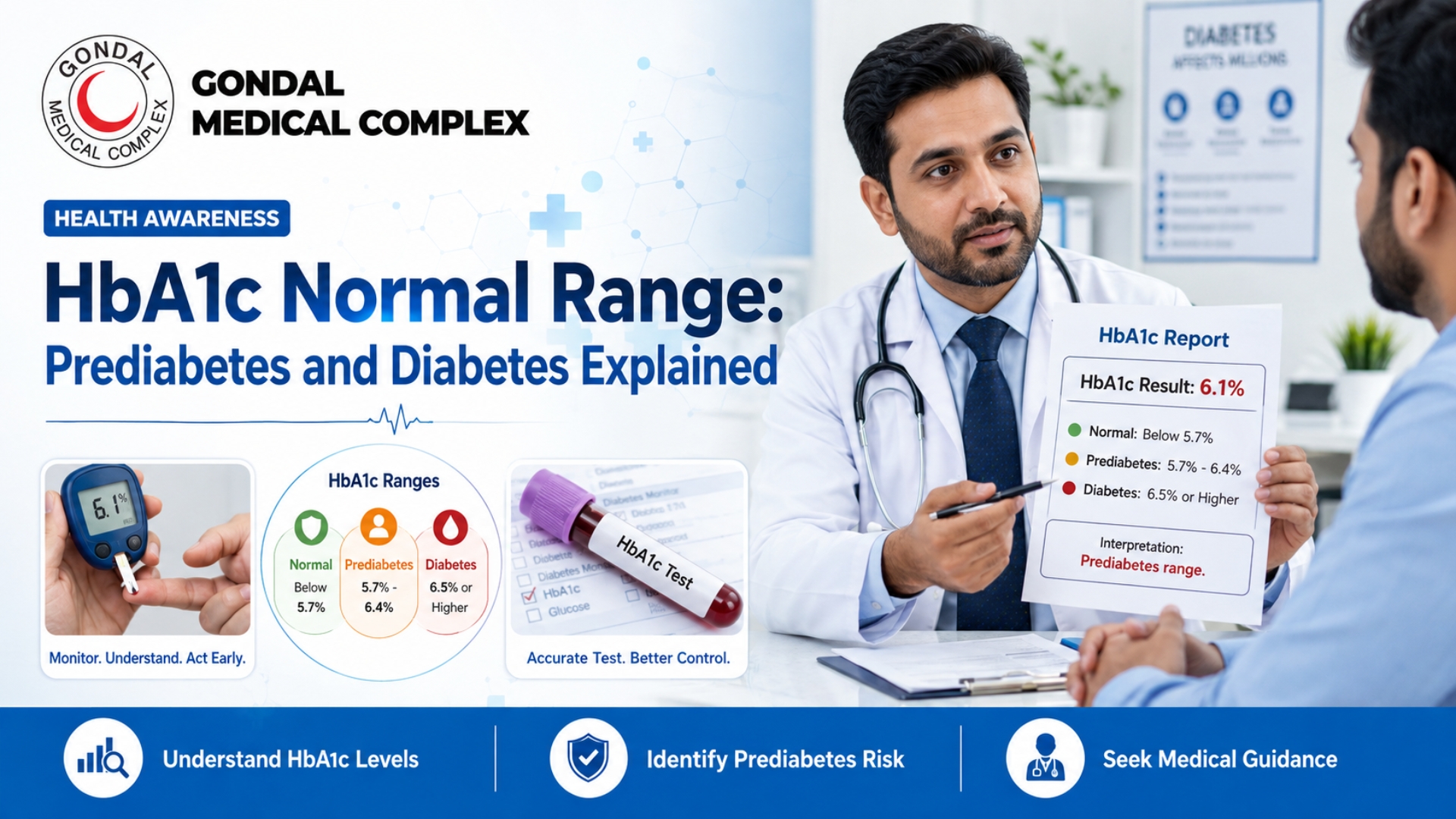
The HbA1c normal range is below 5.7% for most people who are not already diagnosed with diabetes. A result between 5.7% and 6.4% falls within the prediabetes range, while 6.5% or higher may indicate diabetes. However, a diagnosis should not be based on self-interpretation of one laboratory report. The result must be reviewed alongside symptoms, medical history and, in many cases, repeat or additional blood tests.
HbA1c is useful because it provides a broader picture of blood sugar control than a single glucose reading. It can help identify prediabetes, support the diagnosis of type 2 diabetes and show how effectively an existing diabetes treatment plan is working.
Medical disclaimer: This article provides general educational information and does not replace examination, diagnosis or treatment by a qualified healthcare professional.
What Is an HbA1c Test?
HbA1c is also known as:
- A1C
- Haemoglobin A1c
- Glycated haemoglobin
- Glycosylated haemoglobin
Haemoglobin is the protein inside red blood cells that carries oxygen. When glucose circulates in the bloodstream, some of it attaches to haemoglobin. The HbA1c test measures the percentage of haemoglobin that has glucose attached to it.
Because red blood cells normally remain in circulation for several months, HbA1c reflects the average blood glucose level over approximately the previous two to three months. It does not show only what the patient ate on the day of testing.
More recent weeks can have a greater influence on the result than glucose levels from earlier in the three-month period. This means that recent improvements or deterioration in blood sugar control may begin affecting the HbA1c result, although the test still represents a longer-term average.
HbA1c Normal Range at a Glance
The following ranges are commonly used to identify normal blood sugar, prediabetes and diabetes:
| HbA1c result | General interpretation |
|---|---|
| Below 5.7% | Normal range |
| 5.7%–6.4% | Prediabetes range |
| 6.5% or higher | Diabetes range |
| Below 7% | A common treatment target for many adults already living with diabetes |
These diagnostic ranges are supported by the American Diabetes Association, CDC and NIDDK. A target below 7% applies to many non-pregnant adults who already have diabetes, but an individual target may be higher or lower depending on age, medicines, pregnancy, additional illnesses and the risk of low blood sugar.
What Does an HbA1c Below 5.7% Mean?
An HbA1c result below 5.7% is generally considered normal for a person who has not been diagnosed with diabetes. It suggests that the average blood glucose level over the previous two to three months has remained below the prediabetes threshold.
However, a normal HbA1c does not guarantee that a person will never develop diabetes. Continued monitoring may be important for people with risk factors such as:
- A family history of type 2 diabetes
- Excess body weight
- Limited physical activity
- High blood pressure
- Abnormal cholesterol or triglycerides
- Previous gestational diabetes
- Polycystic ovary syndrome
- Cardiovascular disease
- A previous borderline glucose result
An HbA1c result can also appear normal even when another glucose test is abnormal. When symptoms or risk factors strongly suggest diabetes, a healthcare professional may recommend fasting plasma glucose, an oral glucose tolerance test or repeat HbA1c testing. Different diabetes tests do not always identify the same patients, particularly during the early stages of the condition.
What Is the Prediabetes HbA1c Range?
An HbA1c result from 5.7% to 6.4% is categorized as prediabetes. Prediabetes means that average blood glucose is higher than normal but has not yet reached the diagnostic threshold for diabetes.
Prediabetes should not be ignored. It is associated with an increased risk of:
- Type 2 diabetes
- Heart disease
- Stroke
- Additional metabolic health problems
Many people with prediabetes have no clear symptoms and may remain unaware of the condition for years. A blood test is therefore necessary to identify it.
Does 5.7% Mean Diabetes?
No. An HbA1c of 5.7% falls at the beginning of the prediabetes range, not the diabetes range. It should be treated as an early warning that blood sugar regulation is becoming less effective.
At this stage, a healthcare professional may recommend changes involving food choices, activity, weight management, sleep and follow-up testing.
Is an HbA1c of 6.0% Dangerous?
An HbA1c of 6.0% does not normally indicate an immediate medical emergency. However, it falls within the prediabetes range and signals a meaningful risk of progressing to type 2 diabetes.
The risk generally increases as HbA1c moves closer to 6.5%. A patient with 6.4% is nearer to the diabetes threshold than someone with 5.7%, although both results require appropriate follow-up.
Does Prediabetes Always Become Diabetes?
No. Prediabetes does not inevitably progress to type 2 diabetes. Many people can reduce or delay their risk through sustainable lifestyle changes and appropriate medical care.
A practical prevention plan may include:
- Gradual weight reduction when medically appropriate
- Regular physical activity
- Smaller portions of refined carbohydrates
- More vegetables, fibre and minimally processed foods
- Reduced intake of sugary beverages
- Consistent sleep
- Blood pressure and cholesterol management
- Regular follow-up with a healthcare professional
Some people with prediabetes and additional risk factors may also be considered for medication. This decision must be individualized by a qualified doctor rather than based only on an online HbA1c chart.
What HbA1c Level Indicates Diabetes?
An HbA1c result of 6.5% or higher is within the diabetes range. The World Health Organization also recognizes 6.5% as a diagnostic cut-off when a standardized and quality-assured laboratory method is used.
However, an HbA1c below 6.5% does not completely rule out diabetes diagnosed through fasting glucose, oral glucose tolerance testing or another appropriate method.
Does One HbA1c of 6.5% Confirm Diabetes?
When a patient does not have clear symptoms of high blood sugar, doctors generally confirm an abnormal result with a repeat HbA1c or another diagnostic blood glucose test. Testing should be carried out in a healthcare setting or laboratory using an appropriate method.
A healthcare professional may use one of the following:
- Repeat HbA1c
- Fasting plasma glucose
- Oral glucose tolerance test
- Random plasma glucose when classic symptoms are present
Two different tests may sometimes produce different classifications. This can happen during the early stages of diabetes or when a medical condition affects HbA1c accuracy.
HbA1c Compared With Fasting Blood Sugar
HbA1c and fasting blood glucose provide different types of information.
| Test | What it measures | Normal | Prediabetes | Diabetes |
|---|---|---|---|---|
| HbA1c | Average glucose over approximately 2–3 months | Below 5.7% | 5.7%–6.4% | 6.5% or higher |
| Fasting plasma glucose | Glucose after an overnight fast | 99 mg/dL or below | 100–125 mg/dL | 126 mg/dL or higher |
| 2-hour oral glucose tolerance test | Glucose two hours after a glucose drink | 139 mg/dL or below | 140–199 mg/dL | 200 mg/dL or higher |
These tests may not always agree. One patient may have a normal HbA1c but an abnormal fasting or two-hour glucose result. The doctor may repeat testing or investigate factors that could have affected the results.
Does an HbA1c Test Require Fasting?
No fasting is normally required for an HbA1c test. The blood sample can usually be collected at any time of day, regardless of when the patient last ate.
Fasting may still be required when the doctor has ordered other tests at the same time, such as:
- Fasting blood glucose
- Lipid profile
- Selected metabolic investigations
Patients should follow the specific instructions provided by their doctor or laboratory.
HbA1c and Estimated Average Glucose
HbA1c is reported as a percentage, while home glucose meters commonly show blood sugar in milligrams per decilitre. Estimated average glucose, or eAG, translates HbA1c into a glucose value that may be easier for patients to recognize.
| HbA1c | Estimated average glucose |
|---|---|
| 6% | Approximately 126 mg/dL |
| 6.5% | Approximately 140 mg/dL |
| 7% | Approximately 154 mg/dL |
| 8% | Approximately 183 mg/dL |
| 9% | Approximately 212 mg/dL |
| 10% | Approximately 240 mg/dL |
| 11% | Approximately 269 mg/dL |
| 12% | Approximately 298 mg/dL |
These are estimated averages and do not show daily highs, lows or fluctuations after meals. Two patients can have the same HbA1c but very different daily glucose patterns.
What Is a Good HbA1c for Someone With Diabetes?
For many non-pregnant adults living with diabetes, an HbA1c target of less than 7% is commonly recommended. Maintaining an appropriate target can help reduce the risk of long-term complications.
However, less than 7% is not the correct target for every patient. A doctor may recommend a different goal based on:
- Age
- Type and duration of diabetes
- Pregnancy
- Heart or kidney disease
- Previous severe hypoglycaemia
- Medicines being used
- Ability to recognize low blood sugar
- Other medical conditions
- The patient’s individual treatment priorities
Some patients may benefit from tighter control, while a less strict target may be safer for others. Treatment should therefore focus on an individualized goal rather than attempting to reach the lowest possible number.
Does an HbA1c Below 6.5% Mean Diabetes Is Cured?
Not necessarily. A person taking diabetes medicines may achieve an HbA1c below 6.5% because the condition is well controlled. This does not automatically mean diabetes has disappeared or that medication should be stopped.
Changes to diabetes medication, including insulin, should only be made after discussion with the treating doctor.
Symptoms That May Lead to HbA1c Testing
Type 2 diabetes can develop gradually and may cause few or no symptoms for a long time. Possible symptoms include:
- Increased thirst
- Frequent urination
- Increased hunger
- Unexplained weight loss
- Persistent tiredness
- Blurred vision
- Slow-healing cuts
- Recurrent infections
- Tingling or numbness in the hands or feet
Type 1 diabetes symptoms can develop more quickly and may become severe. Patients with significant symptoms should not wait for a routine HbA1c appointment before seeking medical assessment.
Who Should Consider Diabetes Screening?
A healthcare professional may recommend HbA1c or another diabetes test for people with risk factors such as:
- Being overweight or obese
- A parent or sibling with diabetes
- High blood pressure
- Abnormal cholesterol levels
- Low physical activity
- Polycystic ovary syndrome
- Cardiovascular disease
- Previous gestational diabetes
- Previous prediabetes result
- Symptoms of high blood sugar
Screening decisions should be based on age, risk factors, symptoms and medical history. A normal result may still need to be repeated later when the person remains at increased risk.
When Can HbA1c Results Be Inaccurate?
HbA1c is useful, but it is not reliable in every clinical situation. Anything that changes the lifespan, production or structure of red blood cells may affect the result.
Possible causes of misleading HbA1c results include:
- Severe iron-deficiency anaemia
- Recent heavy blood loss
- Recent blood transfusion
- Sickle cell disease
- Thalassaemia or another haemoglobin variant
- Kidney failure
- Liver disease
- Haemodialysis
- Erythropoietin treatment
- Early or late pregnancy
- Certain medicines
Iron-deficiency anaemia can sometimes produce a falsely elevated result. Conditions that shorten red blood-cell survival may produce a result that is lower than the patient’s actual average glucose level.
This is particularly important when:
- HbA1c does not match home glucose readings
- HbA1c changes unexpectedly
- HbA1c conflicts with fasting glucose
- The patient has anaemia or a blood disorder
- The result is unusually low or high
- The patient recently received a transfusion
In these situations, the doctor may repeat the test, use a different laboratory method or rely on direct blood glucose testing.
Can HbA1c Be Used During Pregnancy?
Pregnancy changes blood-cell turnover and glucose metabolism, which can affect HbA1c interpretation. HbA1c is not the main test used to diagnose gestational diabetes, and it is not considered the best method for monitoring glucose throughout pregnancy.
Pregnant women should follow the testing schedule recommended by their obstetrician or diabetes specialist. Gestational diabetes screening is commonly performed using glucose-based testing during pregnancy.
How Often Should HbA1c Be Checked?
The appropriate testing frequency depends on the patient’s result and treatment status.
When the Result Is Normal
People without diabetes may need repeat testing according to their age and risk factors. Those with continuing risk may be advised to repeat testing within one to three years, depending on the clinical situation.
When the Result Shows Prediabetes
CDC patient guidance notes that a healthcare professional may recommend repeat HbA1c testing every one to two years. Higher-risk patients or those close to the diabetes threshold may require earlier reassessment.
When Diabetes Is Stable
Most people with diabetes should have HbA1c measured at least twice a year.
When Treatment Has Changed
Testing may be performed approximately every three months when:
- The previous result was outside the target
- Diabetes medicine has changed
- Insulin treatment has changed
- Blood glucose control is unstable
- The doctor needs to assess the response to treatment
Because HbA1c reflects roughly three months of glucose exposure, quarterly testing can show whether a revised treatment plan is working.
How to Lower a High HbA1c Safely
HbA1c should be reduced gradually through a medically appropriate plan. Trying to lower it too quickly through extreme diets, unapproved supplements or unsupervised medicine changes can be unsafe.
Follow a Balanced Eating Plan
Helpful measures may include:
- Controlling portions of roti, rice and other starches
- Choosing whole grains when appropriate
- Including non-starchy vegetables
- Eating adequate protein
- Reducing sugary drinks
- Limiting highly processed snacks and sweets
- Eating meals at consistent times
- Discussing carbohydrate intake with a qualified professional
Diabetes does not require one identical diet for every patient. Meal planning should consider weight, medicines, kidney health, cultural food preferences and daily activity.
Increase Physical Activity
Regular movement can improve the body’s use of insulin and support blood glucose management. The type and intensity of exercise should be selected according to age, fitness level, heart health, joint problems and diabetes complications.
Patients taking insulin or medicines that can cause low blood sugar should ask their healthcare professional how to exercise safely.
Take Medicines as Prescribed
Diabetes medicines work in different ways. Some increase insulin sensitivity, some affect glucose production, some support insulin release and others help remove glucose through urine.
Do not stop, double or replace prescribed medication based solely on one HbA1c result.
Monitor Blood Glucose
Home glucose monitoring can reveal information that HbA1c cannot show, including:
- Morning fasting levels
- Post-meal increases
- Low blood sugar episodes
- The effect of specific foods
- The response to medicine or exercise
HbA1c and home readings should be used together when recommended by the treating doctor.
Manage Other Health Risks
Diabetes care may also require management of:
- Blood pressure
- Cholesterol
- Kidney health
- Eye health
- Foot health
- Body weight
- Smoking
- Sleep and stress
Good diabetes care involves more than lowering one laboratory value.
When Should You Consult a Doctor?
Arrange a medical consultation when:
- HbA1c is 5.7% or higher
- A previous result has increased
- HbA1c and glucose-meter readings do not match
- You have symptoms of diabetes
- You have anaemia, thalassaemia or another blood disorder
- You are pregnant or planning pregnancy
- You are already taking diabetes medicine
- Your result remains above your prescribed target
- You experience repeated low blood sugar episodes
Seek prompt medical care for severe weakness, persistent vomiting, dehydration, confusion, breathing difficulty or a significant deterioration in a person with suspected or known diabetes.
Frequently Asked Questions
What is the HbA1c normal range?
The HbA1c normal range is below 5.7% for most people who have not been diagnosed with diabetes. A result of 5.7% to 6.4% indicates prediabetes, while 6.5% or higher falls within the diabetes range.
Is HbA1c 5.6% normal?
Yes. An HbA1c of 5.6% is below the prediabetes threshold. However, a healthcare professional may still recommend future screening when the patient has symptoms or significant risk factors.
Is HbA1c 5.9% prediabetes?
Yes. An HbA1c of 5.9% is within the prediabetes range of 5.7% to 6.4%. Lifestyle changes and medical follow-up may help reduce the risk of progressing to type 2 diabetes.
Is HbA1c 6.4% diabetes?
An HbA1c of 6.4% remains within the prediabetes range but is very close to the diabetes threshold of 6.5%. It requires timely medical review and follow-up testing.
Is HbA1c 6.5% definitely diabetes?
An HbA1c of 6.5% falls within the diabetes range. In a person without clear symptoms, the result is generally confirmed through repeat HbA1c or another diagnostic glucose test.
Is HbA1c 7% good for a person with diabetes?
An HbA1c below or around 7% is a common target for many non-pregnant adults with diabetes. The correct target must be individualized by the treating healthcare professional.
Can HbA1c change within one month?
It can begin changing within several weeks, particularly when blood glucose improves or worsens significantly. However, because HbA1c reflects approximately two to three months, a full treatment response is commonly assessed after about three months.
Can anaemia increase HbA1c?
Severe iron-deficiency anaemia can sometimes produce a falsely high HbA1c. Other forms of anaemia or conditions that shorten red blood-cell survival may produce a falsely low result.
Can HbA1c be normal while fasting sugar is high?
Yes. Different tests can produce different classifications, especially during early diabetes or when HbA1c accuracy is affected by a blood or medical condition. The doctor may repeat the tests or perform an oral glucose tolerance test.
Do I need to fast before an HbA1c test?
No. HbA1c testing normally does not require fasting and can generally be performed at any time of day.
Conclusion
Understanding the HbA1c normal range can help patients recognize early changes in long-term blood sugar control. An HbA1c below 5.7% is generally normal, 5.7% to 6.4% indicates prediabetes, and 6.5% or higher falls within the diabetes range.
HbA1c is useful because it estimates average glucose over approximately two to three months and normally does not require fasting. However, it does not show daily glucose fluctuations and can be affected by anaemia, thalassaemia, recent blood loss, transfusions, kidney disease, liver disease and pregnancy.
A result should therefore be interpreted by a qualified healthcare professional. Early action during prediabetes and appropriate treatment after a diabetes diagnosis can support better long-term health and reduce the risk of complications.
Call to Action
Have you received an HbA1c result in the prediabetes or diabetes range? Do not rely only on an online chart or begin medication without professional assessment.
Visit Gondal Medical Complex for medical consultation, diabetes evaluation and guidance about suitable diagnostic services. Timely testing and a personalized management plan can help you take control of your blood sugar before complications develop.