
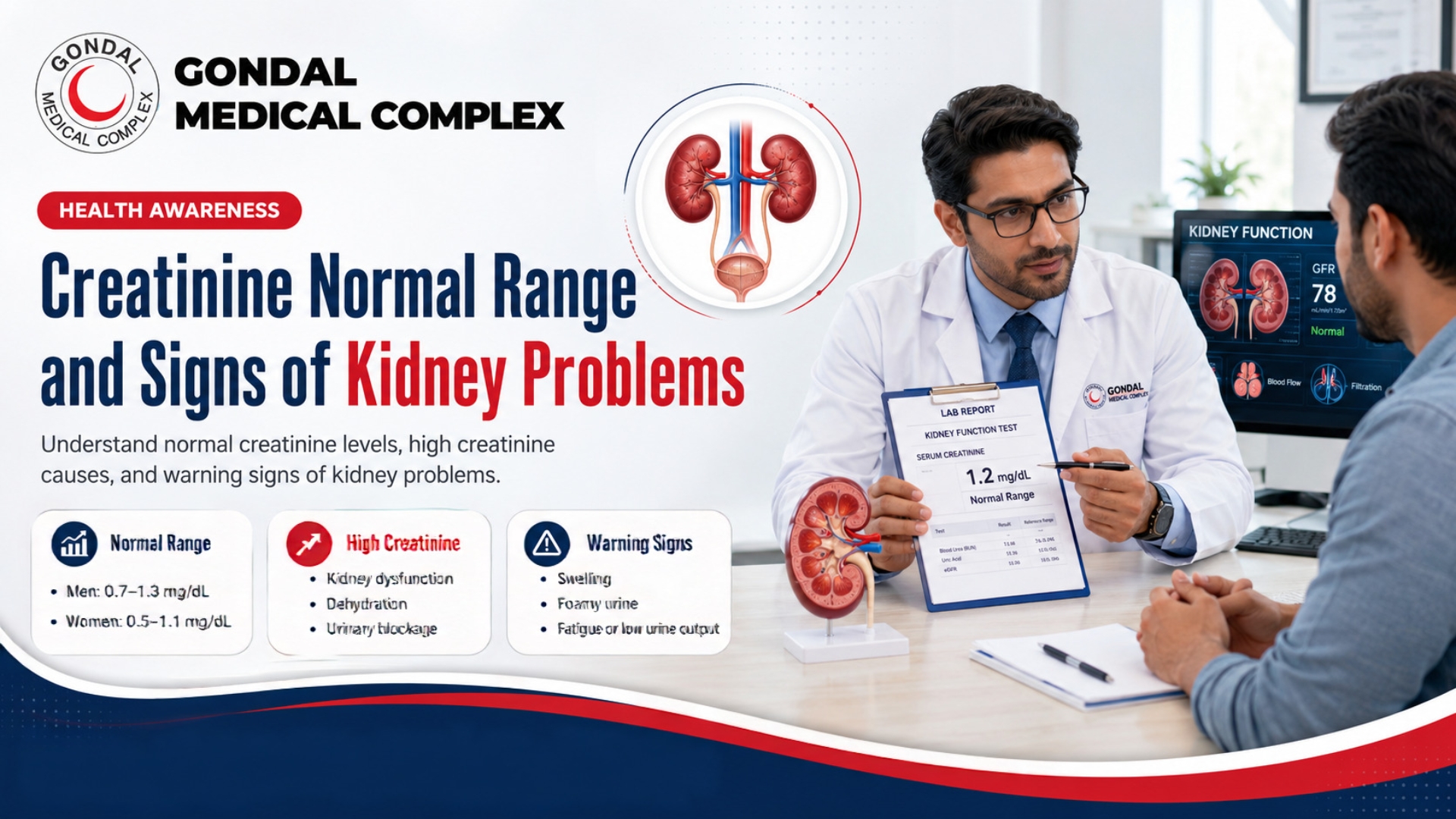
Creatinine Normal Range and Signs of Kidney Problems
A creatinine result outside the laboratory range can cause immediate concern, but one abnormal number does not always mean kidney failure. Creatinine levels are affected by kidney filtration, muscle mass, age, biological sex, hydration, diet, exercise and certain medicines.
The commonly quoted creatinine normal range is approximately 0.7 to 1.3 mg/dL for adult men and 0.5 to 0.95 mg/dL for adult women. However, laboratories may use slightly different reference ranges, and a result must be interpreted according to the range printed on the report.
Creatinine is useful for assessing kidney health, but it should not be interpreted alone. Doctors often review it with the estimated glomerular filtration rate, or eGFR, urine albumin, blood urea nitrogen, electrolytes, blood pressure and previous test results. A person may have early kidney disease while creatinine remains within the laboratory range.
Medical disclaimer: This article provides general health information. Creatinine and kidney-test results should be interpreted by a qualified healthcare professional who understands your symptoms, medical history and previous reports.
What Is Creatinine?
Creatinine is a normal waste product produced through everyday muscle activity and the breakdown of creatine, a substance used by muscles for energy. It enters the bloodstream and is normally filtered by the kidneys before leaving the body through urine.
When kidney filtration decreases, less creatinine is removed and its level may rise in the blood. For this reason, serum creatinine is commonly included in kidney-function testing, basic metabolic panels and comprehensive metabolic panels.
A creatinine test may be used to:
- Check kidney health during a routine examination
- Investigate possible kidney disease
- Calculate estimated kidney filtration
- Monitor known kidney disease
- Assess a sudden change in kidney function
- Monitor medicines that may affect the kidneys
- Help determine whether a medicine dose requires adjustment
Creatinine Normal Range for Adults
Common adult serum creatinine reference values include:
| Patient group | Common creatinine range |
|---|---|
| Adult men | 0.7–1.3 mg/dL |
| Adult women | 0.5–0.95 mg/dL |
| Men in µmol/L | 62–115 µmol/L |
| Women in µmol/L | 44–84 µmol/L |
Women often have lower creatinine levels because they commonly have less average muscle mass than men. These values are examples rather than universal cut-off points, so the laboratory’s printed reference range should be used when reading an individual report.
Why Does the Creatinine Normal Range Vary?
Creatinine production is influenced by the amount of muscle in the body. Two people with similarly healthy kidneys may therefore have different serum creatinine levels.
Factors that can affect creatinine include:
- Age
- Biological sex
- Muscle mass
- Body size
- Physical activity
- Recent intense exercise
- Hydration
- Meat intake
- Creatine supplements
- Pregnancy
- Limb loss
- Severe illness
- Certain medicines
- The laboratory method being used
A muscular adult may naturally have a higher creatinine result than a person with low muscle mass. An older or undernourished patient may have a seemingly normal creatinine result despite reduced kidney filtration because the body produces less creatinine. This is one reason healthcare professionals calculate eGFR rather than relying on the creatinine number alone.
What Does High Creatinine Mean?
A high creatinine result may indicate that the kidneys are not filtering waste efficiently. Possible kidney-related causes include:
- Acute kidney injury
- Chronic kidney disease
- Kidney infection
- Reduced blood flow to the kidneys
- Urinary tract blockage
- Advanced kidney failure
- A condition such as diabetes or heart failure affecting kidney function
However, high creatinine does not always mean permanent kidney damage. Temporary or non-kidney causes can include:
- Dehydration
- Recent heavy exercise
- Significant muscle injury
- Rhabdomyolysis
- A meat-heavy meal before testing
- High muscle mass
- Certain medicines
- Selected pregnancy complications
One raised result cannot establish the exact cause. Doctors may repeat the test and compare it with eGFR, urine results, symptoms and previous creatinine measurements.
Is a Creatinine Level of 1.5 Dangerous?
A creatinine result of 1.5 mg/dL is above the common adult reference range for many laboratories, particularly for women. However, its importance depends on:
- The patient’s age and sex
- Muscle mass
- Previous creatinine level
- Speed of change
- eGFR
- Hydration
- Urine output
- Existing kidney or heart disease
- Current medicines
- Urine albumin and other test results
A rise from 0.7 to 1.5 mg/dL over a short period may be more concerning than a stable result near 1.5 in a muscular patient with previous similar readings. Creatinine should therefore be interpreted as a trend rather than as an isolated number.
Is a Creatinine Level of 2.0 Serious?
A creatinine result of 2.0 mg/dL is significantly above the usual adult reference range and requires timely medical assessment. It may reflect acute kidney injury, chronic kidney disease, dehydration, urinary obstruction, reduced kidney blood flow or another condition.
The creatinine number does not reveal the exact severity by itself. A doctor will normally assess eGFR, potassium, blood urea nitrogen, urine findings, blood pressure, symptoms and previous reports.
Does High Creatinine Always Mean Kidney Failure?
No. High creatinine can occur with dehydration, intense exercise, muscle injury, high meat intake or certain medicines. Kidney failure cannot be diagnosed from one creatinine value alone.
Kidney failure is assessed through the overall clinical condition and tests such as eGFR. NIDDK describes an eGFR of 15 or lower as kidney failure, although treatment decisions also depend on symptoms, complications and whether the decline is acute or chronic.
What Does Low Creatinine Mean?
Low creatinine is less commonly associated with kidney disease. Possible causes include:
- Low muscle mass
- Age-related muscle loss
- Malnutrition
- A muscle or nerve condition
- Small body size
- Pregnancy
- Severe long-term illness
A low result may not require treatment when it is appropriate for the patient’s body composition. However, unexpectedly low creatinine combined with weight loss, weakness or poor nutrition should be discussed with a doctor.
Low muscle mass can also make creatinine-based eGFR appear better than the patient’s actual kidney function. In selected cases, a doctor may use cystatin C alongside creatinine to estimate filtration more accurately.
Creatinine Alone Cannot Fully Measure Kidney Health
Creatinine testing is valuable, but it has important limitations. The amount produced varies between patients, and early kidney disease may not cause an obvious increase.
A more complete kidney assessment commonly includes:
- Serum creatinine
- Estimated glomerular filtration rate
- Urine albumin-to-creatinine ratio
- Urinalysis
- Blood urea nitrogen
- Electrolytes, particularly potassium
- Blood pressure
- Kidney ultrasound or other imaging when indicated
- Previous test results for comparison
The two central tests used to identify and monitor chronic kidney disease are a blood test that estimates GFR and a urine test that checks for albumin leakage.
What Is eGFR?
Estimated glomerular filtration rate, or eGFR, estimates how much blood the kidneys filter each minute. It is commonly calculated using serum creatinine together with factors such as age and sex.
A higher eGFR generally represents better filtration, while a lower value may indicate reduced kidney function.
| eGFR in mL/min/1.73 m² | General interpretation |
|---|---|
| 90 or higher | Normal or high filtration |
| 60–89 | Mild reduction; may be normal without other kidney-damage markers |
| 45–59 | Mild-to-moderate reduction |
| 30–44 | Moderate-to-severe reduction |
| 15–29 | Severe reduction |
| Below 15 | Kidney failure range |
The 2024 KDIGO guideline classifies kidney function into G1 through G5 categories. Chronic kidney disease is defined by kidney structure or function abnormalities that remain present for at least three months and have health implications.
Does an eGFR Below 60 Confirm Kidney Disease?
One eGFR below 60 does not always confirm chronic kidney disease. It may be caused by an acute illness, dehydration, infection, medicine effect or another temporary problem.
Chronic kidney disease is generally diagnosed when an eGFR below 60, urine albumin elevation or another marker of kidney damage remains present for more than three months. Repeat testing helps distinguish chronic disease from a temporary decline.
What Does an eGFR Below 15 Mean?
An eGFR of 15 or lower falls within the kidney-failure range. Many patients at this level need specialist planning for dialysis or kidney transplantation, although the timing of treatment depends on symptoms, complications and the treating nephrologist’s assessment.
What Is the Urine Albumin-to-Creatinine Ratio?
The urine albumin-to-creatinine ratio, commonly abbreviated as uACR, checks whether albumin is leaking into the urine.
Albumin is a protein normally kept in the bloodstream by healthy kidney filters. Increased urine albumin can indicate kidney damage even when serum creatinine appears normal.
General uACR interpretation includes:
| Urine albumin-to-creatinine ratio | General interpretation |
|---|---|
| 30 mg/g or less | Normal to mildly increased |
| Above 30 mg/g | May indicate kidney damage |
An abnormal result may need to be repeated because exercise, fever, infection and other temporary factors can affect urine albumin. Persistent uACR elevation is more meaningful than one isolated result.
Early Kidney Disease May Have No Symptoms
One of the most important facts about chronic kidney disease is that it can remain silent during its early stages. Patients may feel well even while kidney function is gradually declining.
Testing may be the only way to identify early disease, particularly in people with diabetes, high blood pressure, heart disease or a family history of kidney failure.
A normal-looking creatinine report should not prevent further assessment when the patient is at high risk or has persistent urine abnormalities.
Signs of Kidney Problems
As kidney disease progresses, possible symptoms can include:
- Swelling in the feet, ankles, legs, hands or around the eyes
- Foamy urine
- Blood in the urine
- Urinating more or less than usual
- Reduced urine output
- Persistent tiredness
- Weakness
- Poor appetite
- Unexplained weight loss
- Nausea or vomiting
- Muscle cramps
- Dry or itchy skin
- Difficulty sleeping
- Shortness of breath
- Difficulty concentrating or thinking clearly
These symptoms are not specific to kidney disease and can occur with several other medical conditions. Blood and urine testing is needed to determine the cause.
Why Does Kidney Disease Cause Swelling?
Healthy kidneys remove excess sodium and water from the body. When kidney function declines, fluid can accumulate in tissues and cause swelling.
Protein leakage through damaged kidney filters can also contribute to swelling, particularly around the eyes, ankles, feet and legs.
Sudden or severe swelling, particularly when accompanied by shortness of breath, requires prompt medical assessment.
Why Does Urine Become Foamy?
Occasional bubbles in urine can be caused by the speed of urination or cleaning products in the toilet. Persistent, excessive foam may indicate protein in the urine.
Protein leakage can occur when kidney filters are damaged. A uACR or another urine-protein test is needed to determine whether the foam is related to kidney disease.
When Are Kidney Symptoms an Emergency?
Seek immediate medical care when a patient develops:
- Very little or no urine
- Rapidly worsening swelling
- Severe shortness of breath
- Chest pain
- Confusion or unusual drowsiness
- Persistent vomiting
- Severe weakness
- Fainting
- Seizures
- Severe dehydration
- Blood in the urine with significant pain
- Fever with side or back pain
- A known high potassium result
- A rapid rise in creatinine
A sudden reduction in kidney function can develop over hours or days. Acute kidney injury may be related to severe dehydration, low blood pressure, infection, medicines, muscle injury or urinary blockage and requires timely medical evaluation.
Common Causes of Kidney Problems
Kidney function can be affected by both acute and chronic conditions.
Diabetes
Persistently high blood glucose can damage the small blood vessels that filter blood inside the kidneys. Diabetes is one of the most common causes of chronic kidney disease in adults.
High Blood Pressure
High blood pressure can narrow and weaken blood vessels in the kidneys, reducing their ability to filter waste. Kidney disease can also worsen blood pressure by causing fluid retention, creating a harmful cycle.
Dehydration
Severe dehydration can reduce blood flow to the kidneys and temporarily increase creatinine. It may result from vomiting, diarrhoea, fever, excessive sweating or inadequate fluid intake.
Urinary Obstruction
Kidney stones, prostate enlargement, tumours or other urinary tract problems can block urine flow and increase pressure on the kidneys. A blocked urinary system is one possible cause of high creatinine and acute kidney injury.
Kidney Infection
An untreated urinary infection may spread to the kidneys. Possible symptoms include fever, chills, painful or frequent urination, nausea, vomiting and cloudy, bloody or foul-smelling urine.
Medicines and Toxins
Certain medicines can affect kidney filtration or contribute to acute kidney injury. Non-steroidal anti-inflammatory medicines, or NSAIDs, can be particularly harmful in people with kidney disease, diabetes, high blood pressure or dehydration.
Patients should not stop prescribed medicines without medical advice. Instead, provide the doctor with a complete list of prescription drugs, painkillers, antibiotics, supplements and herbal products.
Who Should Have Kidney Function Tested?
Testing is especially important for people who:
- Have diabetes
- Have high blood pressure
- Have heart disease
- Have obesity
- Smoke
- Have a family history of kidney failure
- Are older than 50
- Previously had an abnormal kidney test
- Have recurrent kidney stones
- Have recurrent urinary infections
- Take medicines that may affect kidney function
- Have swelling, foamy urine or urinary changes
NIDDK advises annual kidney testing for people with diabetes. Those with high blood pressure, heart disease or a family history of kidney failure should ask their healthcare professional how often they need testing.
How Is a High Creatinine Result Investigated?
Depending on the patient’s condition, a doctor may recommend:
- Repeat serum creatinine
- eGFR
- Blood urea nitrogen
- Sodium and potassium
- Urinalysis
- Urine albumin-to-creatinine ratio
- Urine culture
- Full blood count
- Blood glucose or HbA1c
- Blood-pressure monitoring
- Kidney and bladder ultrasound
- Additional imaging for obstruction or stones
- Cystatin C in selected patients
- Specialist nephrology assessment
The purpose is to determine whether the result is temporary or persistent, whether urine flow is blocked, and whether kidney damage is acute or chronic.
Does a Creatinine Test Require Fasting?
A creatinine blood test alone usually requires little preparation. However, fasting may be needed when it is included in a metabolic panel or combined with other tests.
Patients may also be advised to avoid cooked meat before testing because meat can temporarily increase blood creatinine and influence the calculated eGFR. Follow the specific instructions provided by the doctor or laboratory.
Can Eating Meat Increase Creatinine?
Yes. Cooked meat contains creatinine and creatine-related compounds that may temporarily increase the blood result. MedlinePlus notes that some patients may be told not to eat meat for 24 hours before testing.
Do not make major long-term dietary changes based only on one creatinine report. A kidney-friendly diet depends on kidney function, potassium, protein needs, diabetes, blood pressure and other health factors.
Can Exercise Increase Creatinine?
Intense exercise can temporarily raise creatinine because it increases muscle activity and may cause a small degree of muscle breakdown. Severe muscle injury can produce a much larger increase and may contribute to acute kidney injury.
Tell the doctor if you performed unusually strenuous exercise before the blood test, particularly when the result is unexpectedly high.
Can Dehydration Raise Creatinine?
Yes. Dehydration can concentrate the blood and reduce blood flow to the kidneys, causing a temporary rise in creatinine. Severe dehydration may lead to acute kidney injury.
Drinking water may improve a dehydration-related increase, but patients should not assume that every high creatinine result can be corrected by drinking excessive fluids. People with heart disease, advanced kidney disease or swelling may require controlled fluid intake.
Can Creatinine Supplements Affect the Test?
Creatine supplements may influence creatinine because creatine can be converted into creatinine in the body. High-protein diets, bodybuilding supplements and large muscle mass may also complicate interpretation.
Patients should tell their doctor about gym supplements, protein powders, herbal remedies and performance-enhancing products before kidney-test results are assessed. Creatinine-based eGFR may be less accurate in people with unusually high or low muscle mass.
Can High Creatinine Be Lowered?
Treatment should target the underlying cause rather than the laboratory number alone.
Depending on the diagnosis, management may involve:
- Correcting dehydration
- Treating an infection
- Relieving urinary obstruction
- Controlling diabetes
- Controlling blood pressure
- Reviewing medicines
- Treating heart failure
- Managing kidney inflammation
- Adjusting dietary sodium or protein when medically advised
- Dialysis in severe kidney failure or selected emergencies
There is no universal drink, fruit, herb or supplement that safely lowers creatinine in every patient. Delaying proper treatment while relying on a home remedy can allow kidney damage to worsen.
How to Protect Kidney Function
Control Blood Pressure
Managing blood pressure is one of the most important steps in slowing kidney damage. Patients should follow their prescribed treatment and attend regular reviews rather than stopping medicine when readings improve.
Manage Blood Sugar
People with diabetes should work toward individualized blood glucose and HbA1c targets. Good blood sugar and blood-pressure control can help slow or prevent diabetic kidney disease.
Reduce Excess Salt
Lowering sodium intake can support blood-pressure and fluid management. Highly salted snacks, pickles, processed foods, sauces and frequent restaurant meals can contribute significant sodium.
Use Painkillers Carefully
Regular or high-dose use of NSAID painkillers can harm the kidneys, particularly during dehydration or in patients with diabetes, hypertension or existing kidney disease. Ask a healthcare professional which pain medicine is safest for your condition.
Stop Smoking
Smoking increases cardiovascular and kidney-health risks. Stopping smoking forms part of the recommended approach to protecting kidney function.
Attend Follow-Up Testing
Kidney health is best assessed through trends in eGFR, urine albumin and creatinine rather than one report. Repeat testing helps determine whether treatment is working and whether the condition is stable or worsening.
Frequently Asked Questions
What is the creatinine normal range?
A commonly used adult range is 0.7–1.3 mg/dL for men and 0.5–0.95 mg/dL for women. Exact ranges vary by laboratory, muscle mass, age and body size.
Is creatinine 1.0 normal?
A creatinine result of 1.0 mg/dL is within the common reference range for many adults. However, it should still be reviewed with eGFR, age, sex, muscle mass and previous reports.
Is creatinine 1.3 normal?
A result of 1.3 mg/dL may be at the upper end of the common male range but above the usual range for many women. The laboratory range and eGFR provide more useful context.
What creatinine level is dangerous?
There is no single dangerous value for every patient. The urgency depends on the amount and speed of increase, eGFR, potassium, urine output, symptoms and underlying cause. A rapid increase or high creatinine with very little urine, breathing difficulty, confusion or severe swelling requires urgent medical care.
Can kidney disease exist with normal creatinine?
Yes. Blood creatinine may remain within the laboratory range during early kidney disease, particularly in older adults and people with low muscle mass. eGFR and urine albumin testing provide a more complete assessment.
Which is more important, creatinine or eGFR?
Creatinine is needed to calculate eGFR, but eGFR generally provides a more useful estimate of kidney filtration. Both should be considered with urine albumin and the patient’s clinical condition.
Does high creatinine mean dialysis is needed?
Not automatically. Dialysis decisions are not based on one creatinine number. Doctors consider eGFR, potassium, fluid overload, acid balance, symptoms, urine output and the cause of kidney dysfunction.
Can dehydration cause temporary high creatinine?
Yes. Dehydration can reduce kidney blood flow and temporarily increase creatinine. Severe dehydration may cause acute kidney injury.
Can high blood pressure increase creatinine?
Long-term uncontrolled blood pressure can damage kidney blood vessels and reduce filtration, which may eventually increase creatinine.
Can diabetes cause high creatinine?
Diabetes can gradually damage kidney filters. Creatinine may rise as diabetic kidney disease progresses, although early disease may first appear as increased urine albumin.
How often should creatinine be tested?
The frequency depends on risk factors and previous results. People with diabetes are commonly advised to have kidney testing yearly, while those with high blood pressure, heart disease, known kidney disease or abnormal results may require a different schedule.
Can creatinine return to normal?
It may return toward the previous level when the cause is temporary and treatable, such as dehydration, a medicine effect or urinary obstruction. Creatinine may remain elevated when permanent kidney damage is present. The outcome depends on the cause and how quickly treatment begins.
Conclusion
Understanding the creatinine normal range is useful, but the result should never be interpreted in isolation. Common adult reference values are approximately 0.7 to 1.3 mg/dL for men and 0.5 to 0.95 mg/dL for women, although laboratory ranges vary.
High creatinine may indicate reduced kidney filtration, but it can also result from dehydration, intense exercise, muscle injury, meat intake or certain medicines. A normal result does not always exclude early kidney disease.
The most reliable assessment combines creatinine with eGFR, urine albumin, blood pressure, symptoms and previous test trends. Swelling, persistent foamy urine, blood in the urine, reduced urination, breathing difficulty or rapidly rising creatinine requires timely medical attention.
Call to Action
Do not attempt to diagnose kidney failure or change medicines based only on one creatinine report. Professional assessment can help determine whether the result is temporary, related to another illness or a sign of kidney disease.
Gondal Medical Complex lists Dialysis and Nephrology among its healthcare services and provides nephrology consultations, diagnostic support and emergency care in Gujranwala.
Visit Gondal Medical Complex for appointment guidance and information about available kidney-health services. Patients with very little urine, severe swelling, shortness of breath, confusion or rapidly worsening symptoms should seek emergency medical attention immediately.